
Frameless vs. Framed Shower Doors: Which Is Right for Your Bathroom?
Mar 5, 2025
Key Takeaways
Choosing a shower door may seem like a small decision—but it can dramatically influence your bathroom’s style, functionality, and long-term value. The most common question homeowners ask is: frameless vs. framed shower doors—which is better?
The truth is, there isn’t a universal “best” option. Instead, the right choice depends on your budget, layout, design preferences, and maintenance expectations. Below, we’ll break down exactly how these two styles compare—so you can confidently select the perfect fit for your space.
What Is a Framed Shower Door?
✔️ Definition
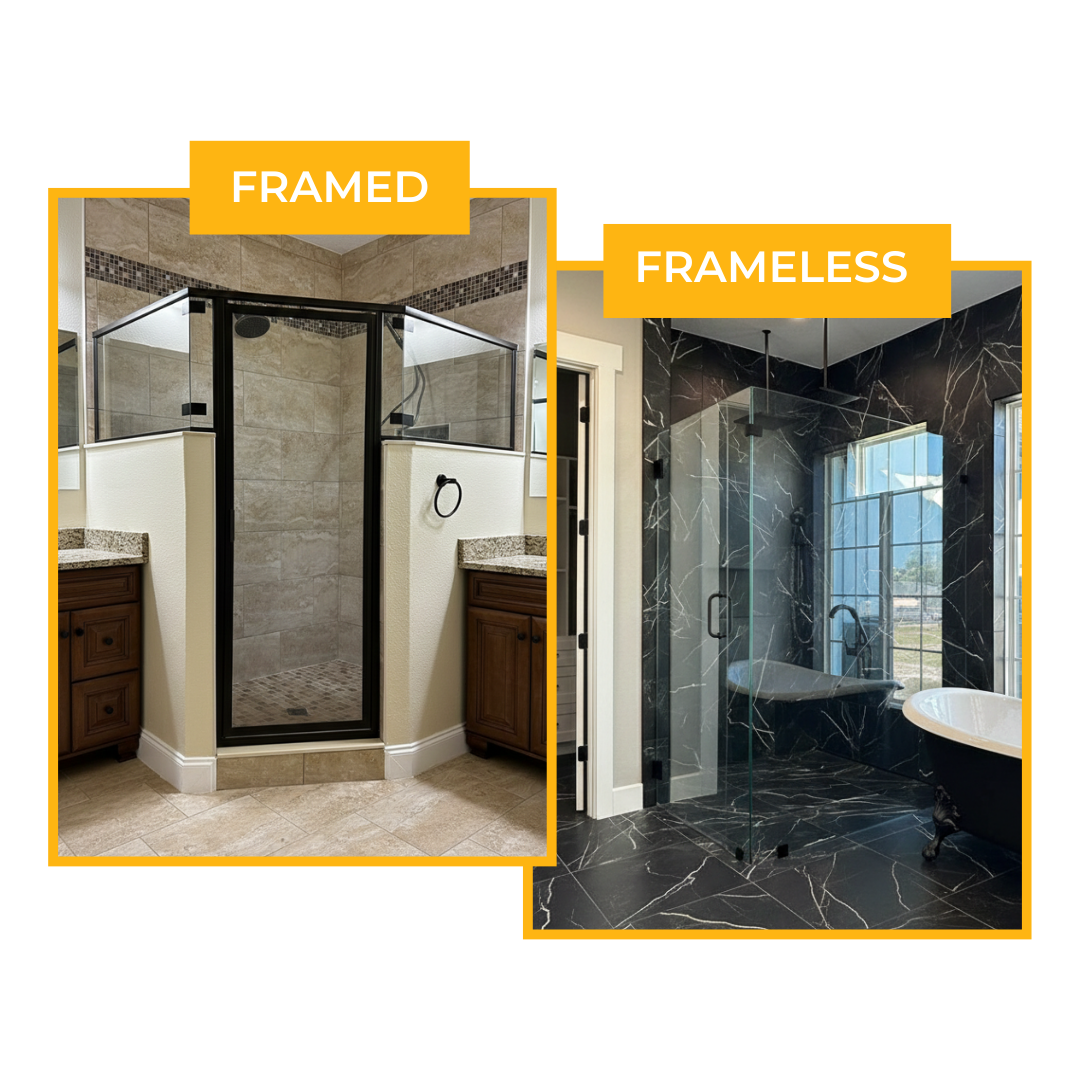
Framed shower doors use thinner glass (around 1/4") surrounded by a full metal frame, typically aluminum. The frame provides structural support and seals the enclosure.
Framed doors have been a standard bathroom feature for decades—and remain popular for good reason.
Advantages of Framed Shower Doors
Considerations Before Choosing Framed
What Is a Frameless Shower Door?
✔️ Definition
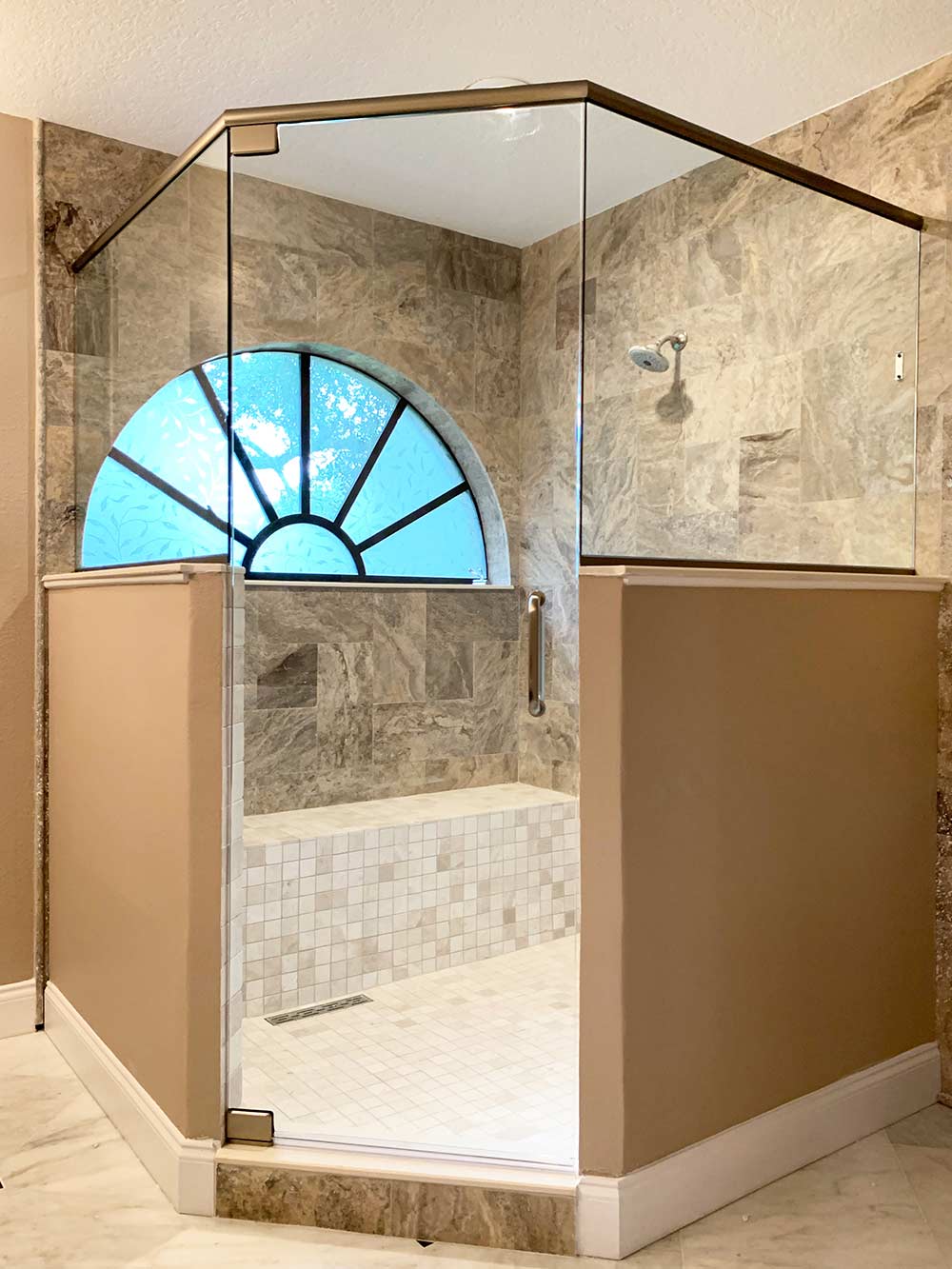
Frameless shower doors are constructed from thick tempered glass—typically 3/8" to 1/2"—and use minimal metal hardware such as hinges or discreet clips instead of a full metal frame.
Because there’s no bulky frame surrounding the glass, the enclosure feels open and seamless.
Why Homeowners Love Frameless Designs
Potential Drawbacks
Pro insight: Frameless doors rely on the structural integrity of the glass itself. That’s why thicker tempered glass is required—it provides strength without the support of a full frame.
See Both Styles in Real Bathrooms
Sometimes the fastest way to decide is to see the finishes, hardware, and overall feel in real installations. Scroll through the examples below to compare style details at a glance.
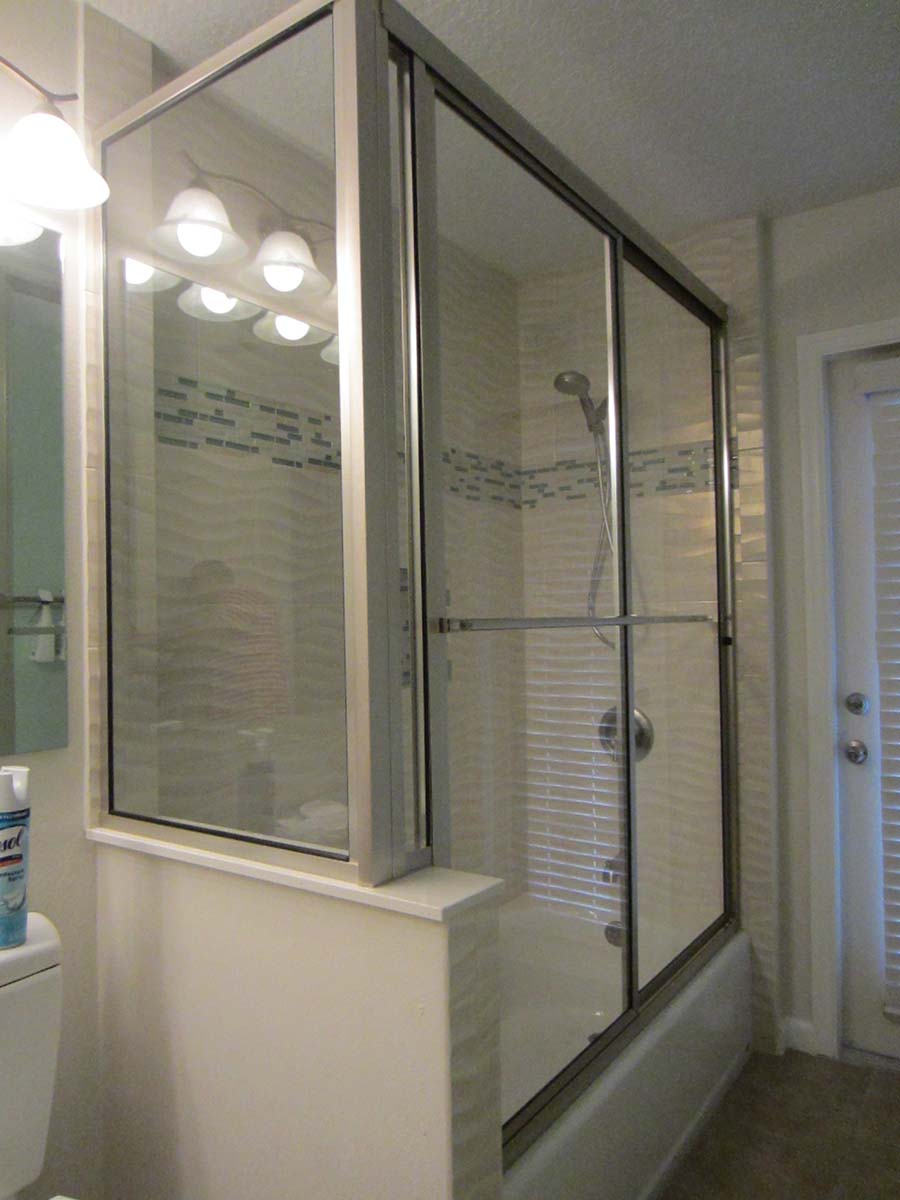
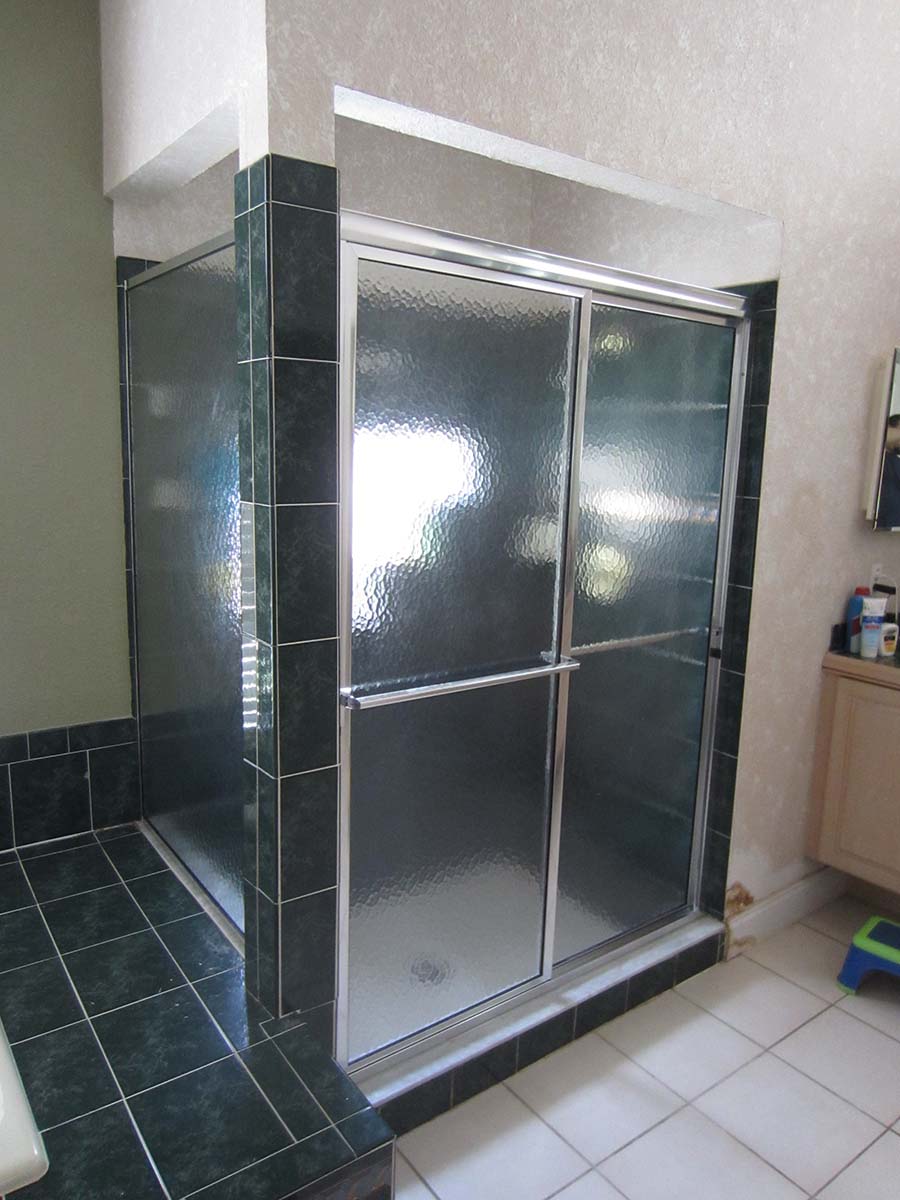
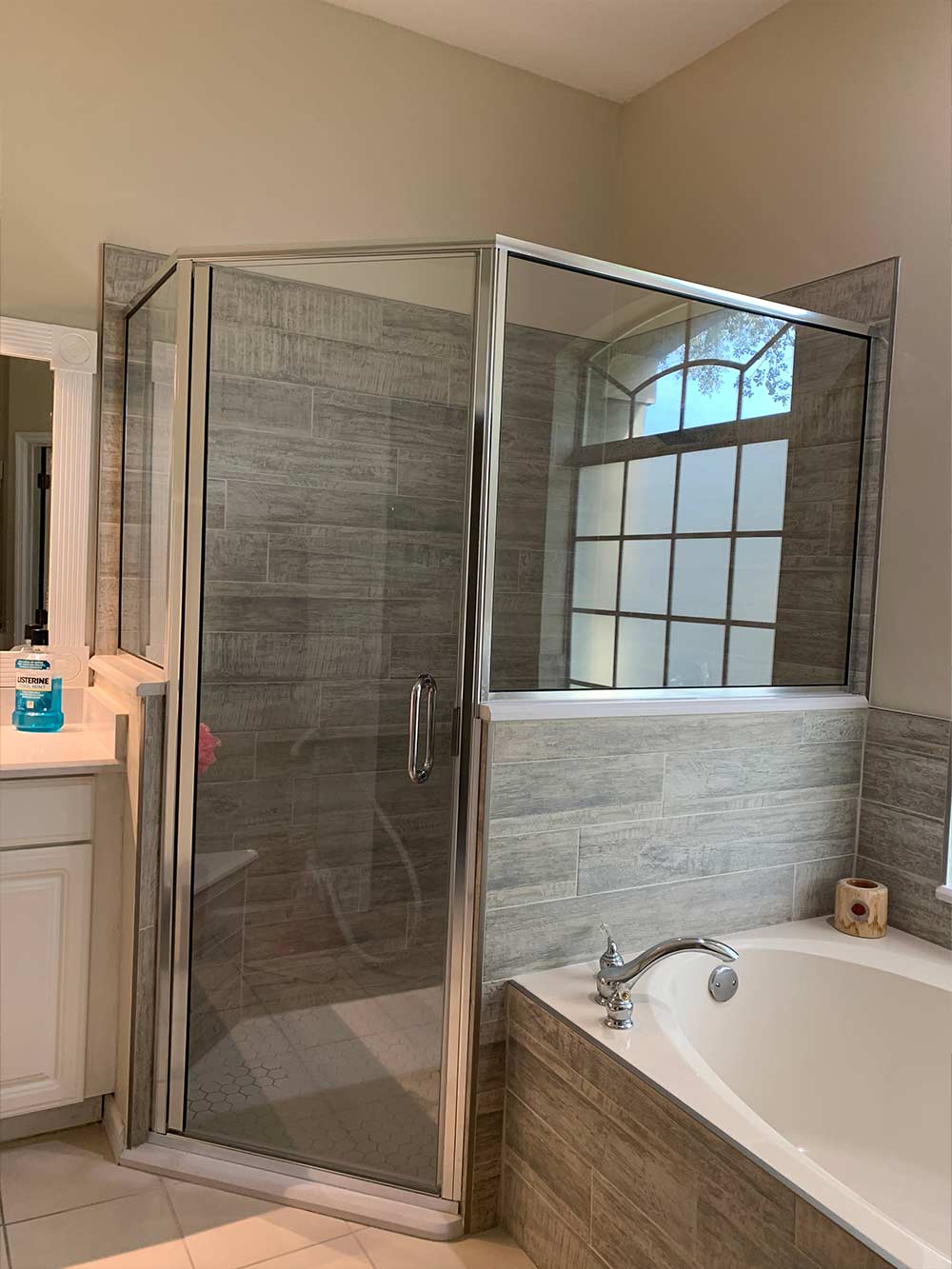
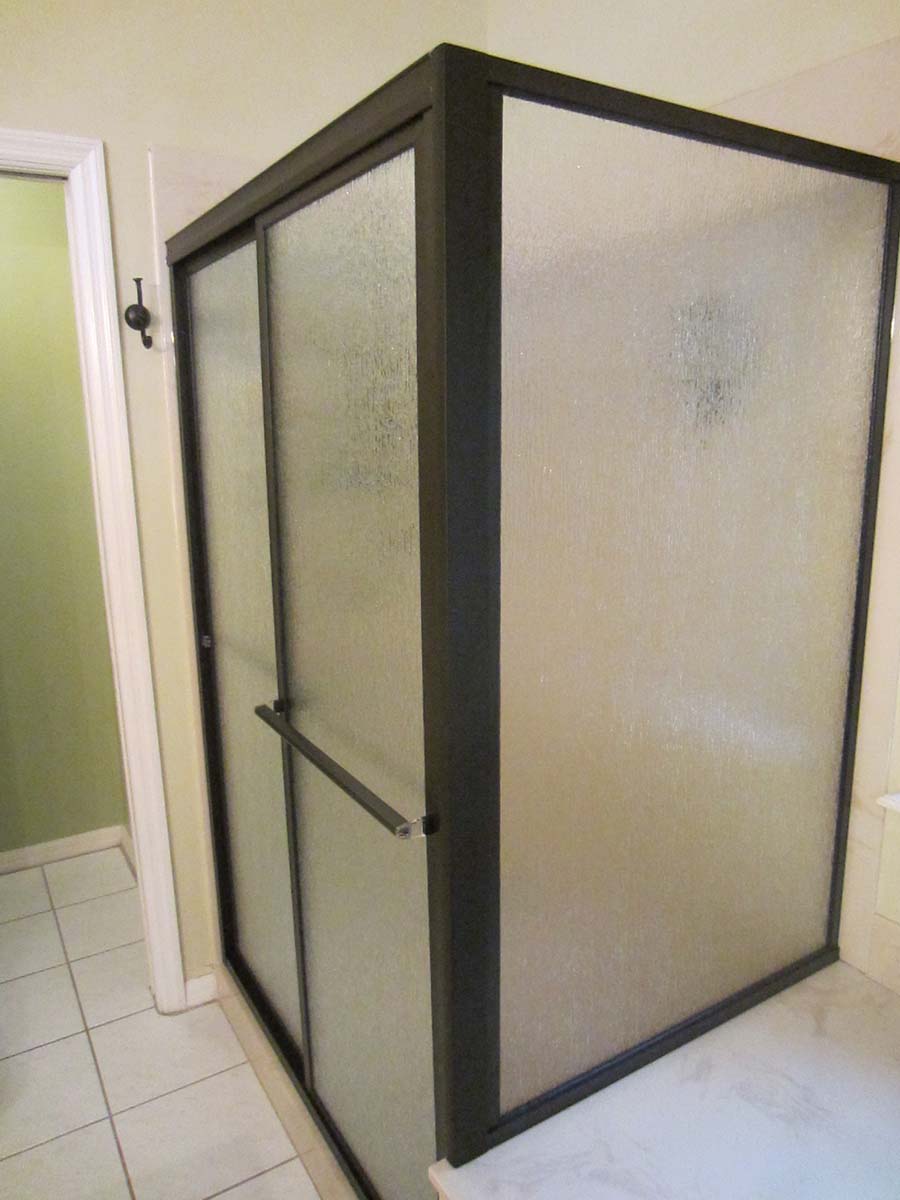
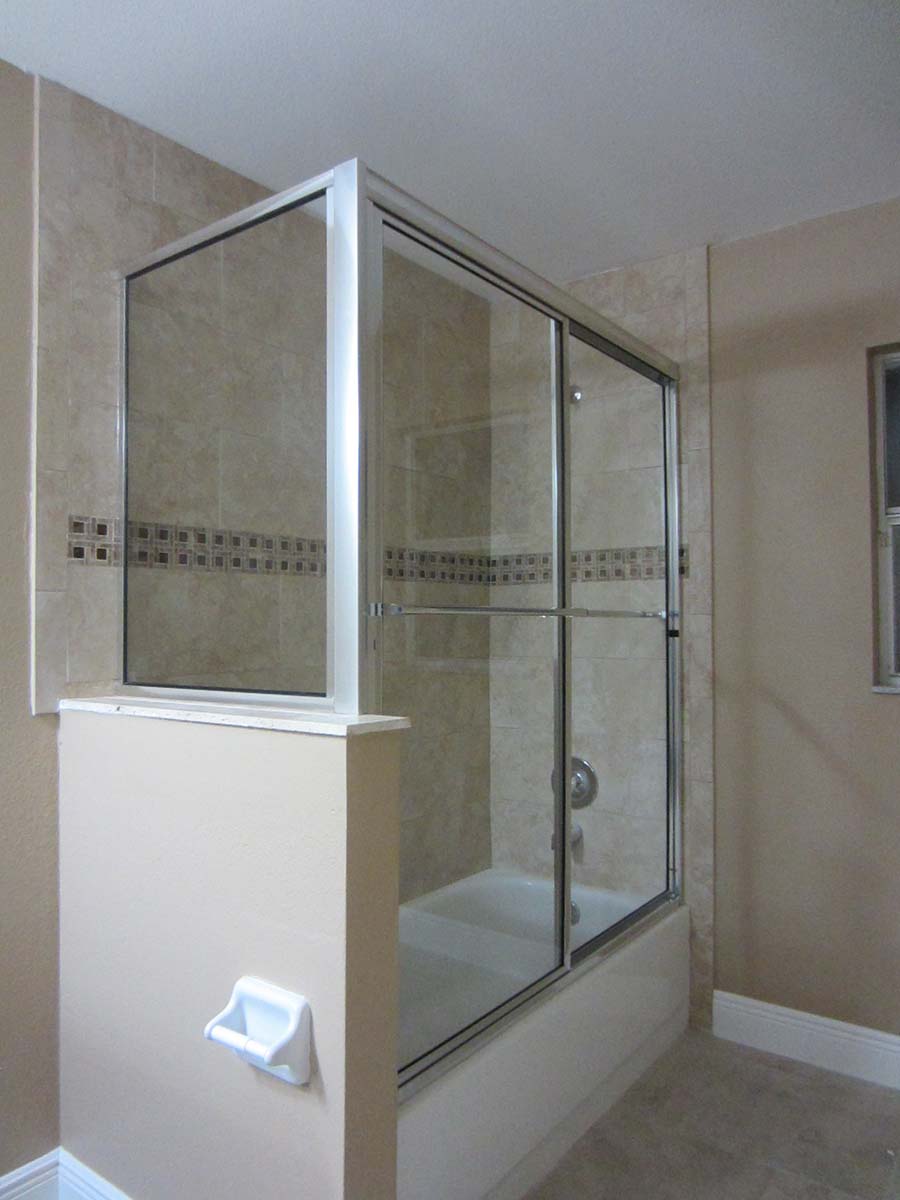
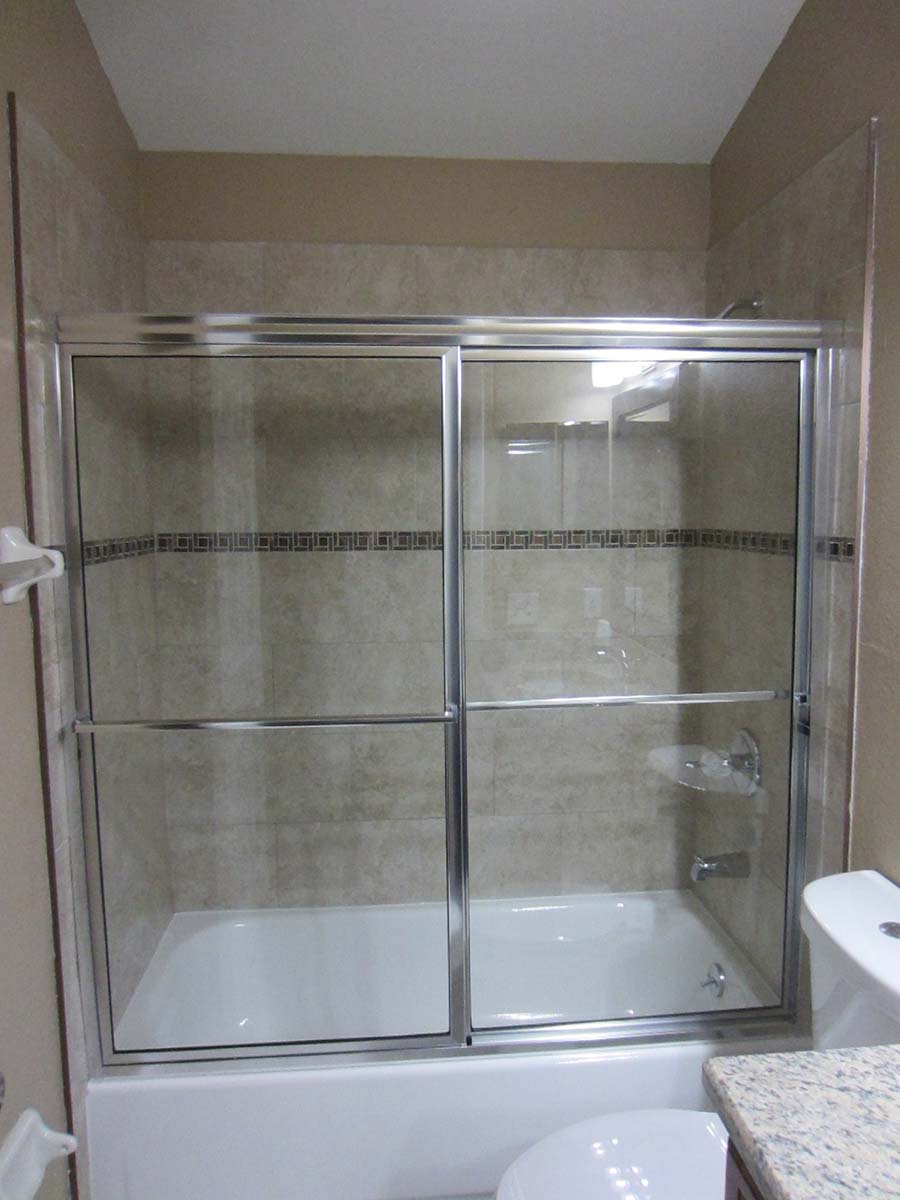
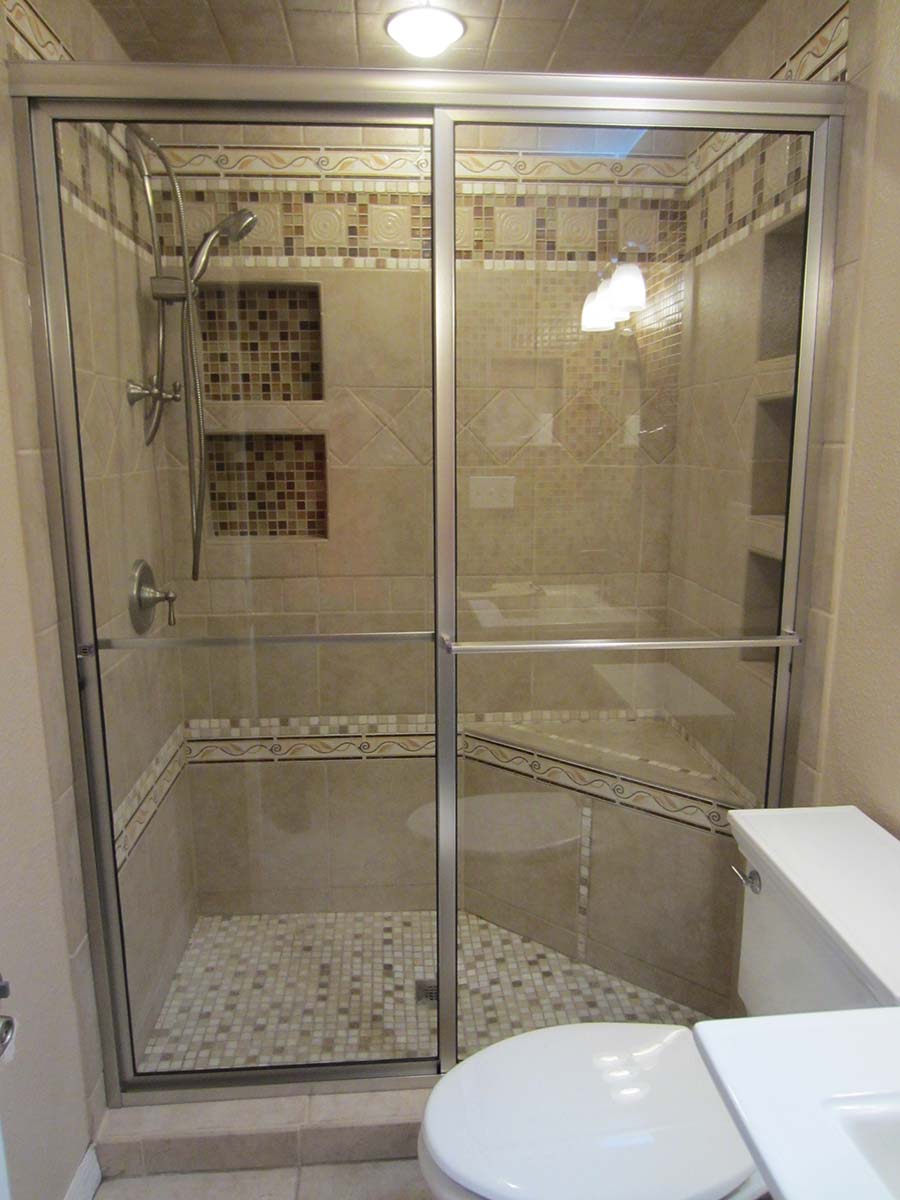
Framed Shower Doors
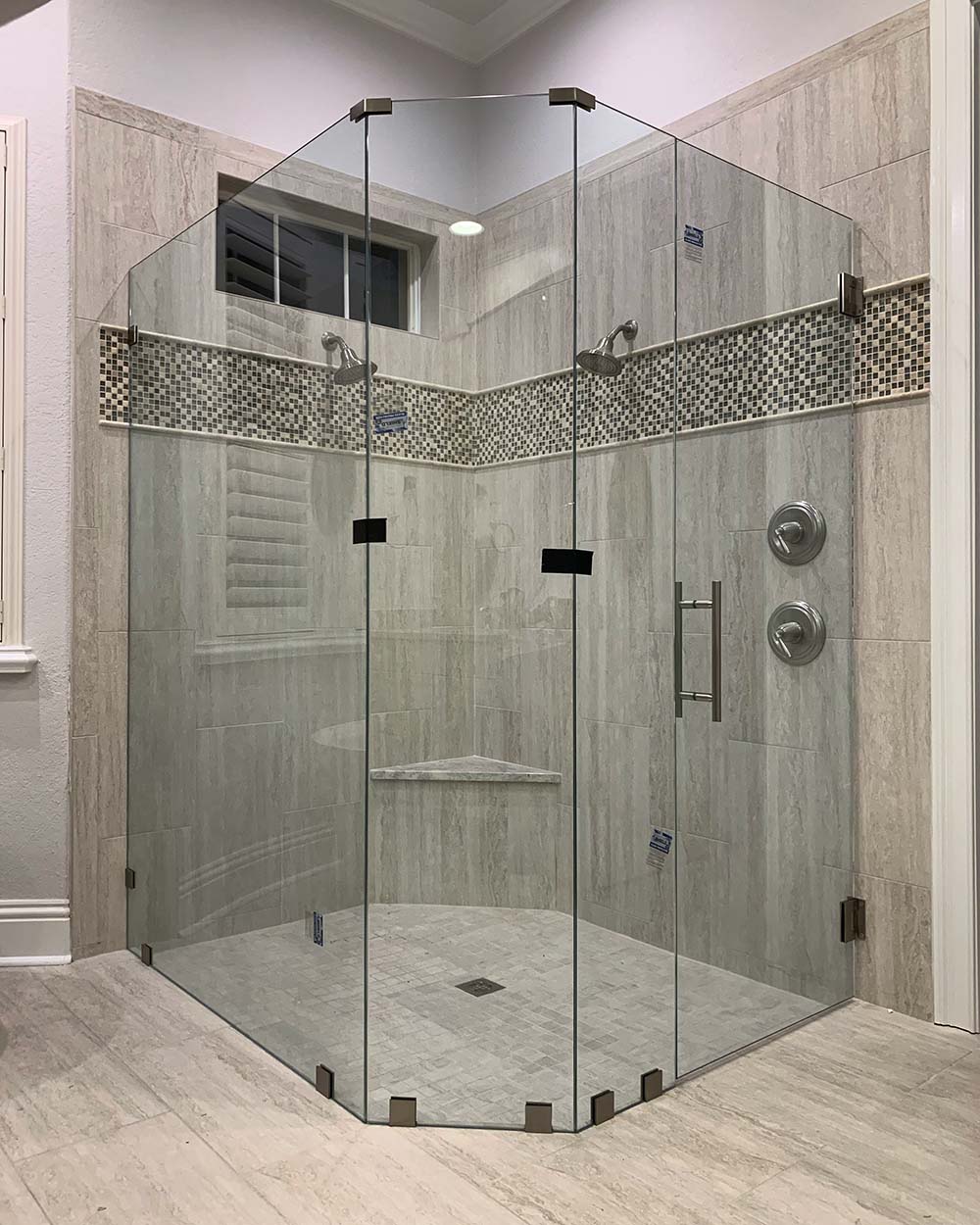
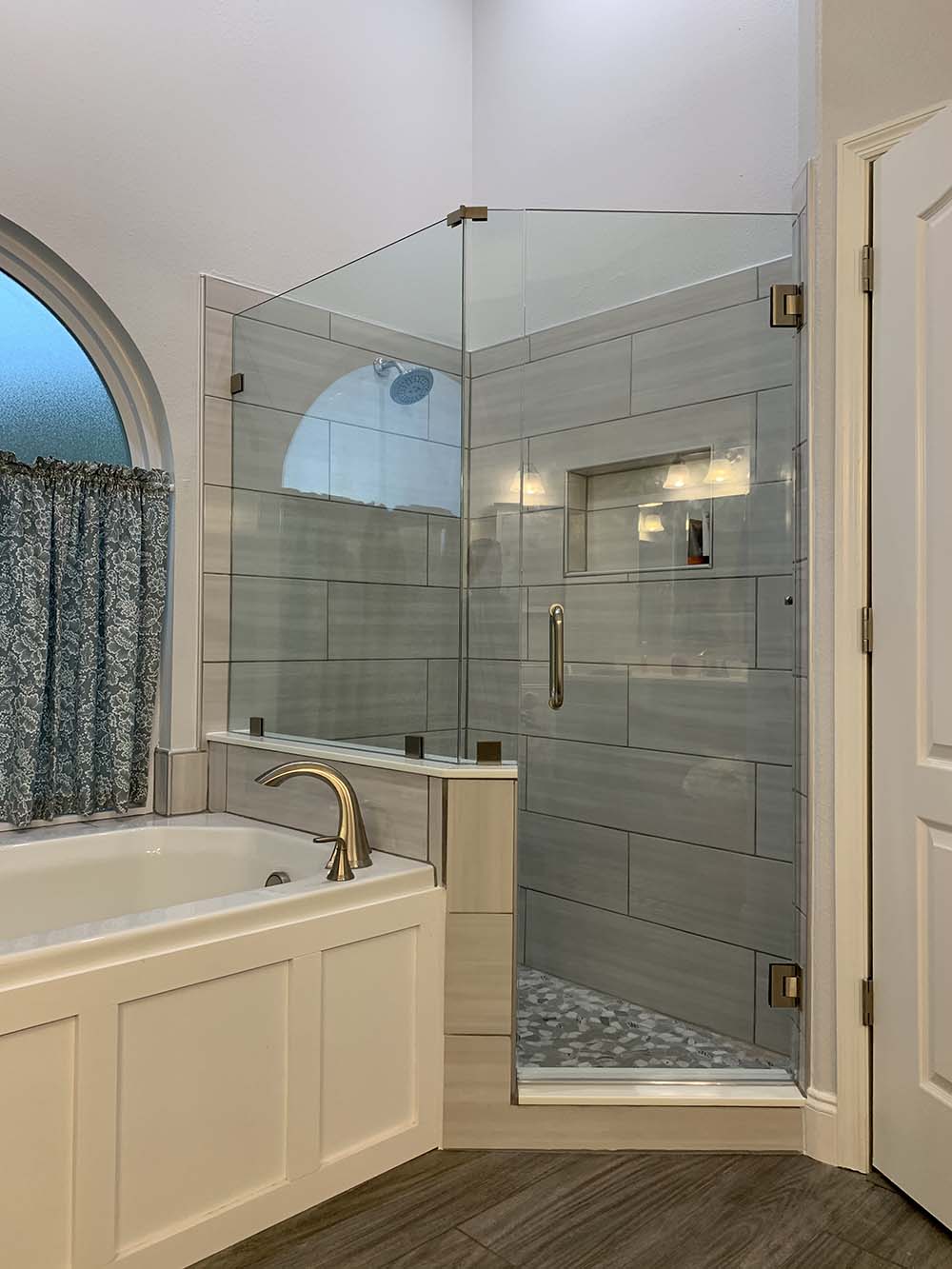
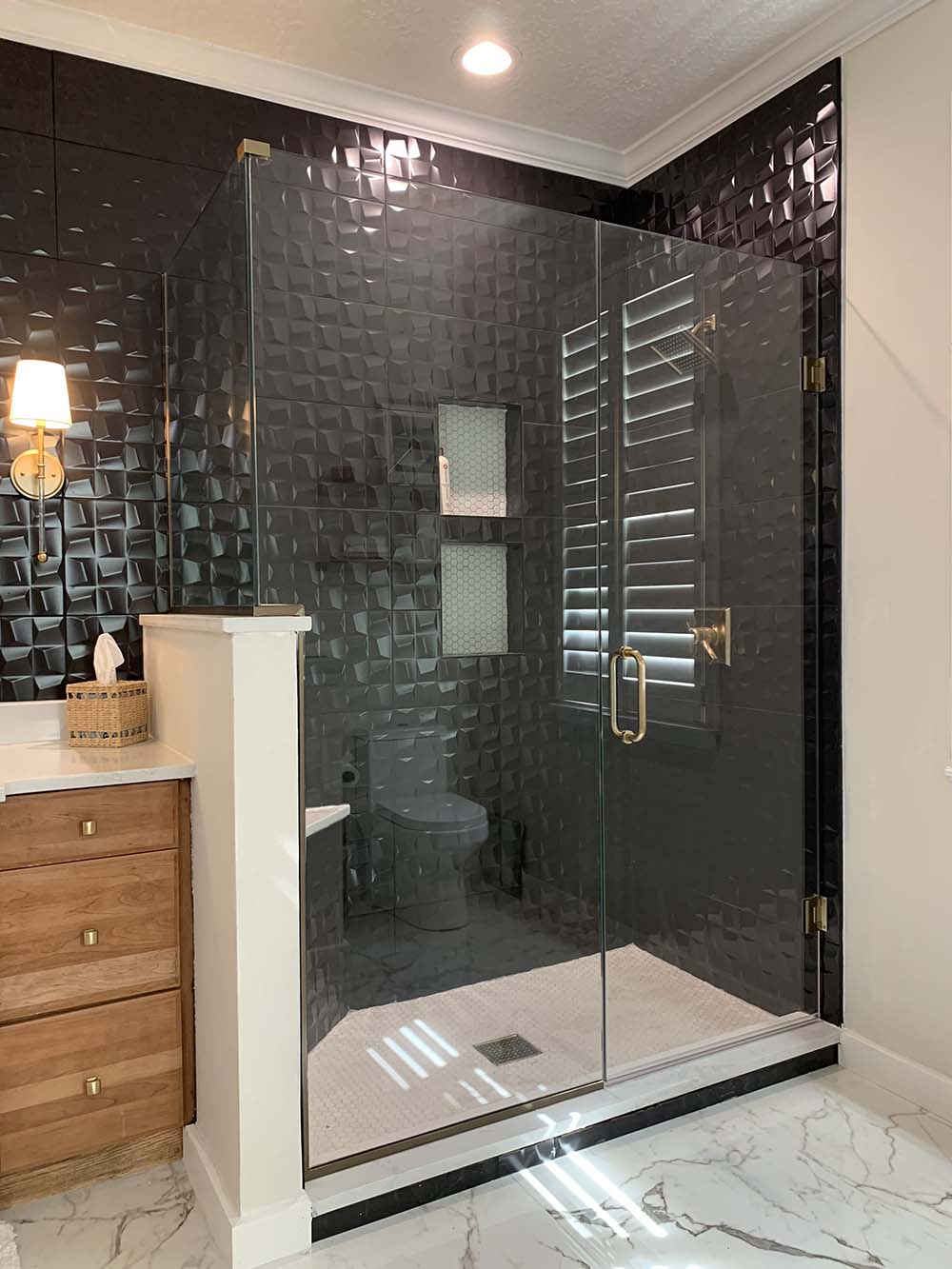
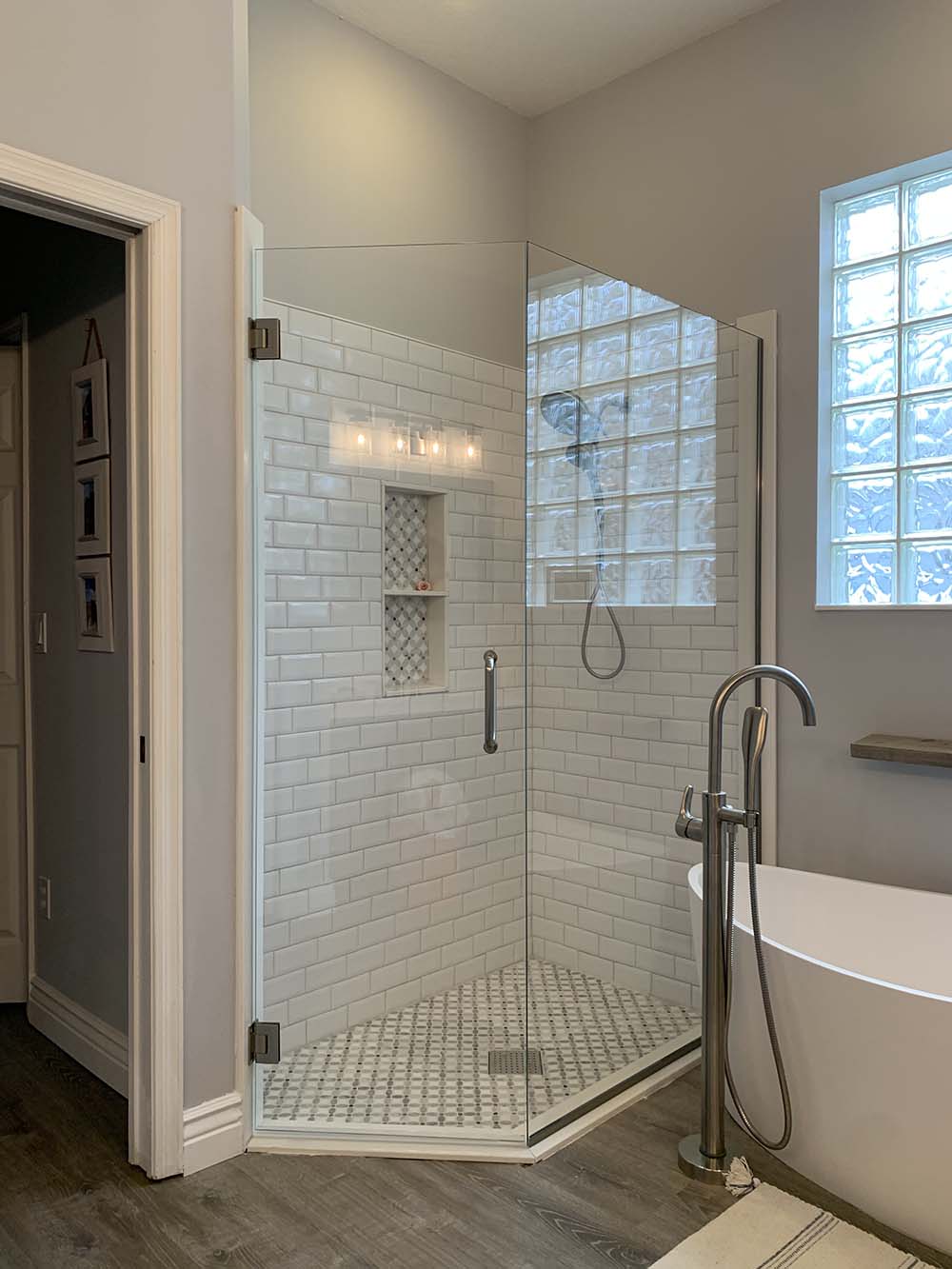

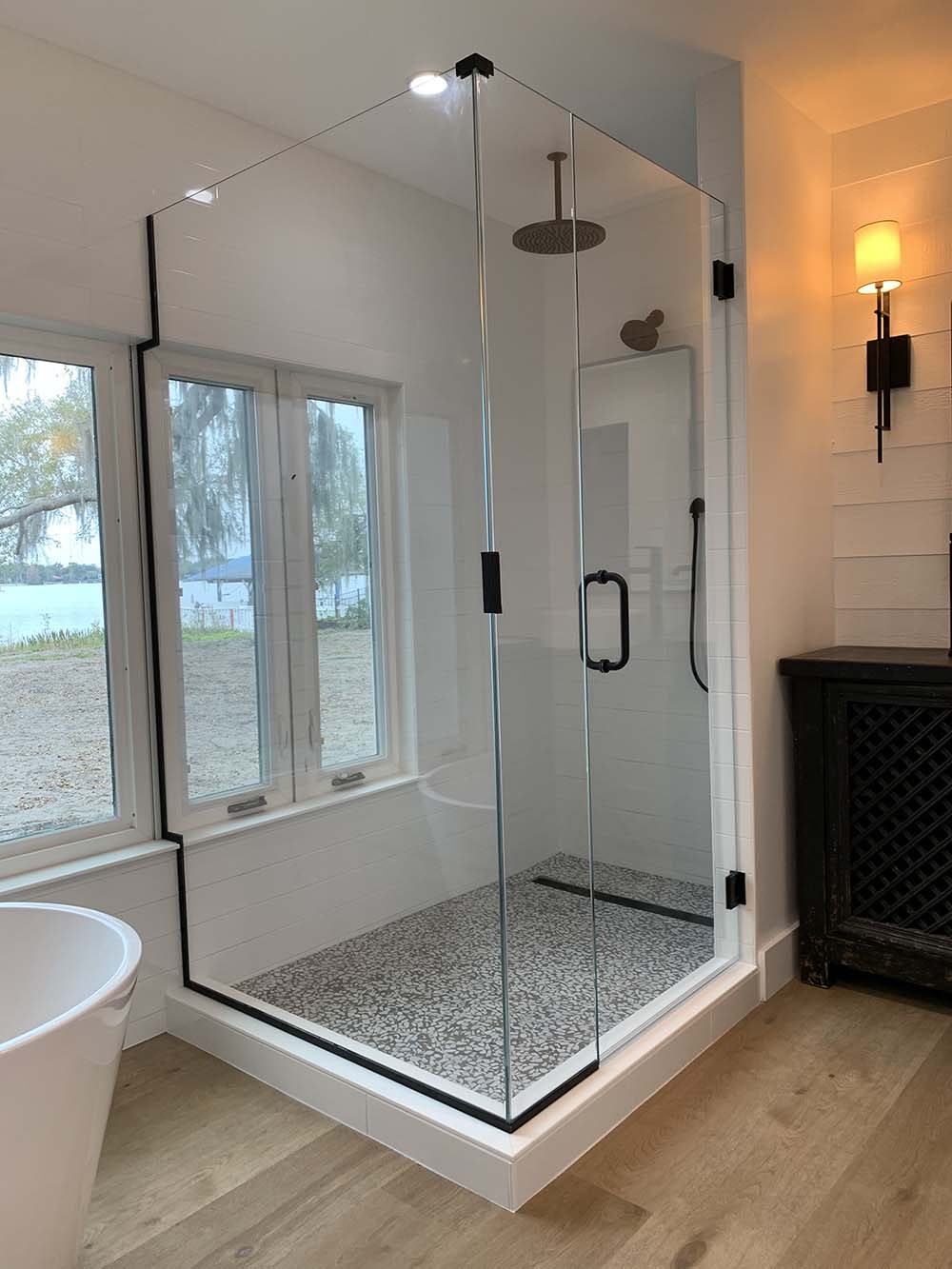
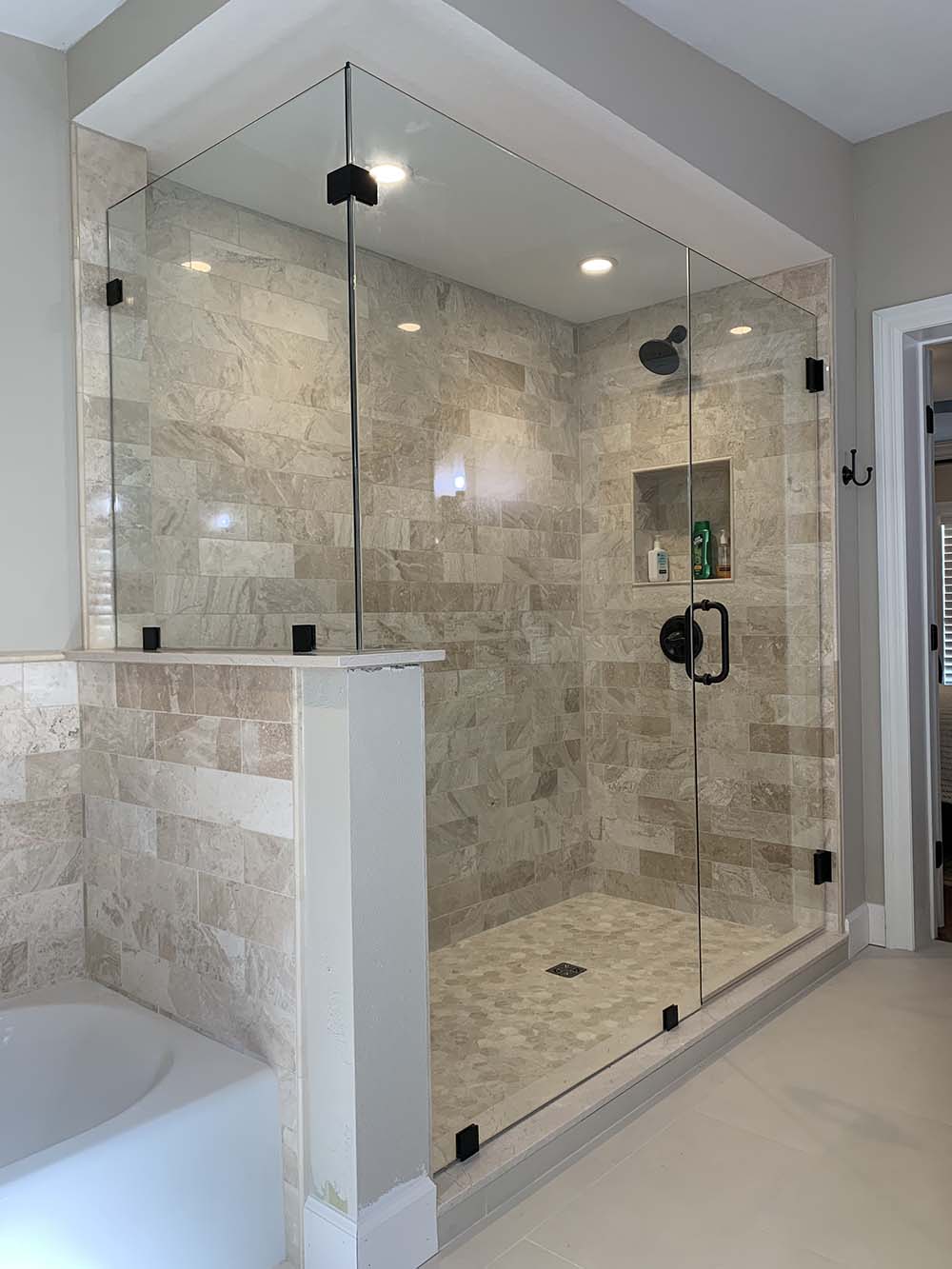
Frameless Shower Doors
Frameless vs. Framed Shower Doors: A Side-by-Side Comparison
Now that you’ve seen what each door type is, here’s the quick comparison. This table is helpful for a fast scan, but don’t worry—we’ll translate it into real-world implications right after.
| Consideration | Frameless | Framed |
|---|---|---|
| Cost | Higher investment | More affordable |
| Style | Modern, sleek, minimalist | Traditional or transitional |
| Glass thickness | 3/8"–1/2" | ~1/4" |
| Maintenance | Less buildup | More cleaning required |
| Wall tolerance | Needs precision | More adaptable |
At a glance, it looks like a simple tradeoff: frameless wins on aesthetics and ease of cleaning, while framed wins on budget and flexibility. The best choice usually comes down to how your bathroom is built—and how you actually live day to day.
How Each Door Type Feels in Everyday Use
When homeowners regret a shower door choice, it’s rarely because of the glass thickness on paper. It’s because of the daily experience—how it looks, how it closes, how it cleans, and whether it feels “right” in the space.
Frameless: clean lines and a more open room
Frameless doors tend to make bathrooms feel larger because your eye isn’t stopping at a metal perimeter or track. If you’ve invested in tile, stone, or statement fixtures, this option puts those details front and center.
Framed: practical structure and reliable containment
Framed doors can feel more “contained” (in a good way), especially in busy households. The frame and seals often do a stronger job directing water back into the shower—particularly in tighter layouts or higher-splash situations.
Want Help Choosing the Right Door for Your Layout?
We can recommend the best option based on your space, wall conditions, and style goals.
Cleaning and Maintenance: What Most People Don’t Consider
Both options are easy to keep looking great—if you understand what you’re committing to. The biggest difference is where buildup hides.
Where framed doors collect grime
Tracks, corners, and frame seams can collect water residue and soap scum. That doesn’t mean framed doors are “hard” to clean—it just means you’ll want a simple routine, especially around the bottom track.
Where frameless doors need attention
Frameless doors typically have fewer hiding places for grime, but they make water spots more noticeable because there’s so much uninterrupted glass. If you have hard water, you may want a squeegee habit or a water-repellent glass treatment.
Installation and Fit: The “Wall Condition” Factor
Wall alignment matters more than most homeowners realize. Even slight out-of-plumb walls can affect door swing, sealing, and overall appearance.
If your home is older or your shower walls have minor shifts, framed doors are often more forgiving because the frame can help hide small inconsistencies. If you’re set on frameless, professional measuring becomes even more important to ensure the door looks intentional—not “almost aligned.”
That’s also why professional installation matters for both: a great-looking door depends on precise measurement, proper anchoring, and clean sealing—regardless of style.
Frameless Shower Doors
Best for: Modern, open, spa-style bathrooms that highlight tile.
Framed Shower Doors
Best for: Budget-conscious upgrades, rentals, or walls that aren’t perfectly plumb.
How To Decide: A Simple 5-Step Checklist
Here’s the quickest way to choose without overthinking it. Read each question and follow the recommendation—most homeowners end up with a clear answer by step three.
1. What’s My Budget?
If cost is a primary concern, framed doors offer reliable performance at a lower price point.
2. How Important Is a Modern Look?
Frameless designs elevate the space and create that luxury, open feel many homeowners want.
3. Are My Walls Perfectly Level?
Older homes often have slight wall shifts. Framed doors can better accommodate those imperfections.
4. How Much Cleaning Do I Want To Do?
Frameless doors typically require less scrubbing because there are fewer tracks and crevices.
5. Is This a Forever Home or a Resale Upgrade?
Frameless doors can improve buyer perception in competitive markets and enhance overall appeal.
If you’re torn after this checklist, it’s usually because both options could work. In that case, let your budget and wall condition be the tie-breakers—they’re the two factors that most directly affect installation and long-term satisfaction.
Pro insight: If your bathroom walls aren’t perfectly plumb, framed doors are often the safer, smoother install. Frameless doors look best when measurements and alignment are precise.
Frequently Asked Questions
Are frameless shower doors more likely to leak?
When properly installed, frameless doors seal effectively. However, they use minimal seals compared to framed doors, so expert installation is essential.
Do frameless shower doors break more easily?
No. They’re made of tempered safety glass, which is stronger than standard glass and designed to shatter safely if damaged.
How long do shower doors last?
With proper care, both framed and frameless shower doors can last 20+ years.
Which is easier to maintain long-term?
Frameless doors generally require less maintenance due to fewer metal tracks and seals.
Choosing the Right Shower Door for Your Bathroom
When comparing frameless vs. framed shower doors, the best option comes down to your priorities.
If you want a sleek, contemporary upgrade that highlights your tile and increases visual space, frameless is an excellent investment. If you’re working within a budget or renovating an older home with imperfect walls, framed doors provide dependable performance and versatility.
Either way, professional measurement and installation make all the difference in longevity and appearance.
Still unsure which option fits your bathroom best? A knowledgeable installer can assess your space and guide you toward the ideal solution—ensuring beauty, durability, and functionality for years to come.
Ready To Upgrade Your Shower Door?
Let’s find the right framed or frameless option for your bathroom and install it with precision.
For informational purposes only.