
Identifying Mold and Mildew: Insights From Your Trusted Shower Door Experts
Jul 1, 2024
Key Takeaways
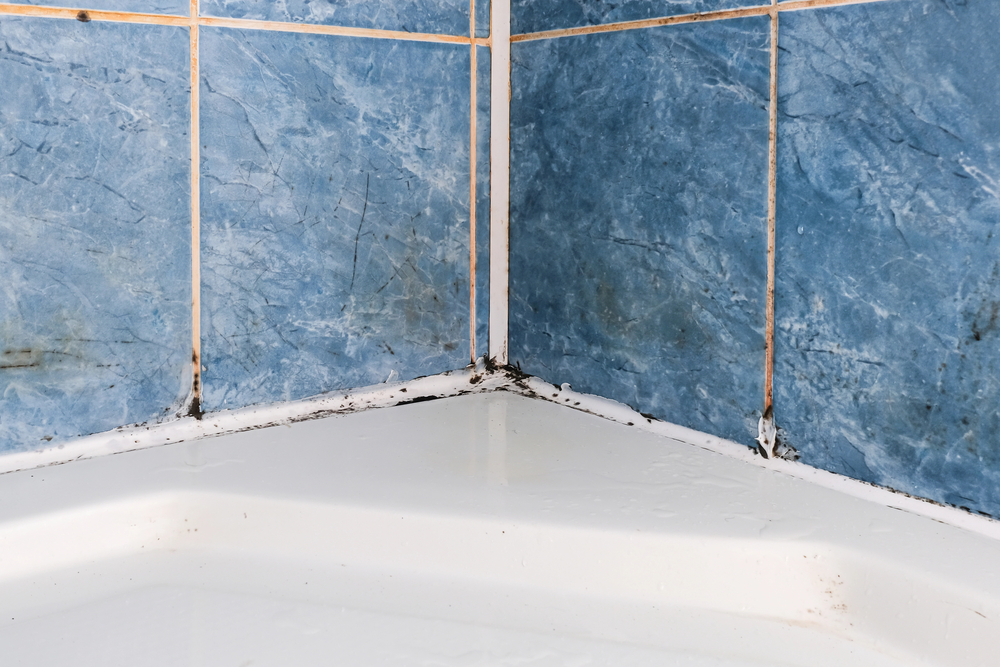
A bathroom can look clean on the surface and still be developing the conditions that allow mold and mildew to spread. Warm air, trapped moisture, and residue from soap or hard water give these fungi exactly what they need to grow. That’s why the problem often starts small, then gradually becomes harder to ignore.
Shower areas are especially vulnerable because water collects in corners, tracks, seals, grout lines, and other places that don’t always dry quickly. Once buildup starts to hold moisture, routine cleaning becomes more important—not just for appearance, but for prevention.
The good news is that most homeowners can reduce the risk by knowing where to look, what early warning signs matter, and which maintenance habits actually make a difference. Some shower door upgrades can also help by making surfaces easier to keep clean over time.
What’s the Difference Between Mold and Mildew?
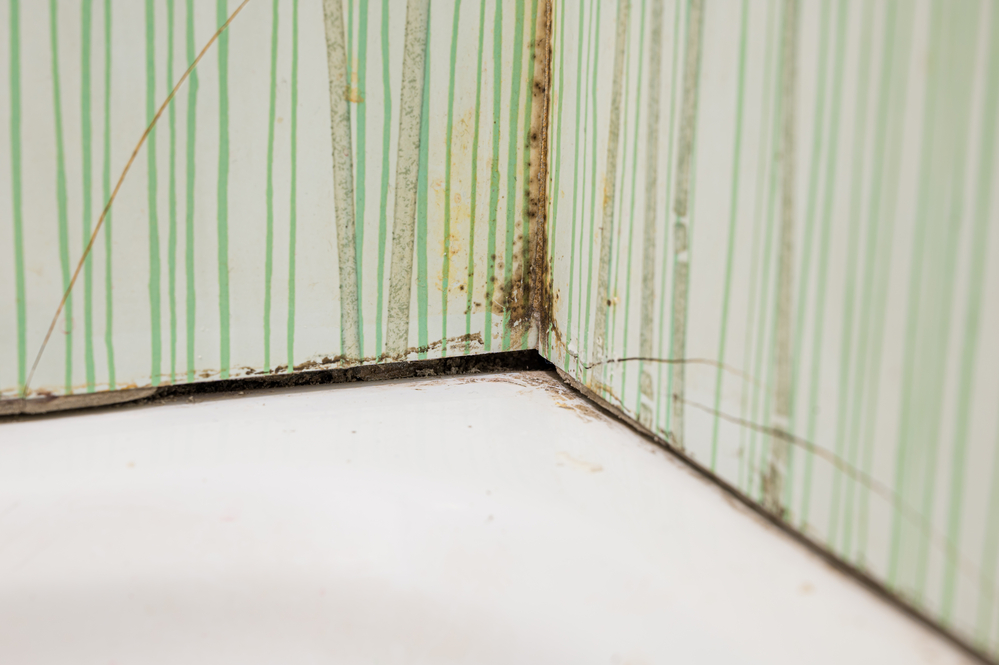
Mold and mildew are often grouped together, but they are not exactly the same. Both are fungi that thrive in damp conditions, yet they tend to look different, behave differently, and require different levels of attention once they appear.
In a bathroom, mildew is often the first thing homeowners notice because it tends to stay on the surface. Mold can become more serious when it spreads deeper into porous materials or keeps returning after cleaning. Knowing which one you’re dealing with helps you decide whether the issue is mostly cosmetic or a sign of a bigger moisture problem.
| Feature | Mold | Mildew | What Homeowners Should Know |
|---|---|---|---|
| Typical color | Black, green, or brown | White or gray | Darker discoloration usually deserves closer attention. |
| Texture | Fuzzy, slimy, or uneven | Powdery or flat | Texture can help you tell whether the issue is surface-level. |
| Where it grows | Can spread into porous materials | Usually stays on the surface | Grout, caulk, and drywall are more vulnerable than glass. |
| Ease of removal | Often harder to remove completely | Usually easier to clean | If it keeps returning, the real issue is often excess moisture. |
| Overall concern level | Can become a deeper maintenance issue | Often starts as a cosmetic problem | Repeated growth matters more than a one-time spot. |
Where Does Mold Usually Show Up in a Bathroom?
Mold and mildew rarely appear at random. They usually grow in the same problem areas over and over again—places where water lingers, residue builds up, and airflow is limited. In showers, that often means the issue starts in small, easy-to-miss locations before spreading into larger visible patches.
Shower door components matter here more than people often realize. Tracks, seals, edges, and nearby joints all collect moisture differently. Knowing where buildup tends to happen makes it much easier to stay ahead of the problem.
Shower Door Tracks and Seals
Tracks often collect standing water, soap residue, and small debris. Seals can also stay damp long after a shower ends, especially if the bathroom doesn’t dry out quickly.
What To Look For
Dark spotting, slimy residue, discoloration near the corners, or a lingering musty smell around the base of the door.
How To Stay Ahead of It
These areas are easy to overlook during routine cleaning, which is why they often become early problem spots.
Tile Grout and Caulking
Grout and caulk are more porous than glass, so they can hold moisture longer and stain more easily. Once cracks or gaps develop, the area becomes even more vulnerable.
What To Look For
Dark lines along grout, patchy discoloration, black specks in corners, or caulk that looks stained even after cleaning.
How To Stay Ahead of It
If grout or caulk stays discolored after repeated cleaning, moisture may be lingering below the surface.
Shower Curtains and Liners
Bathrooms with curtains or liners often trap moisture in folds and corners. If the liner stays bunched up after a shower, it dries slowly and becomes a common mildew zone.
What To Look For
Powdery residue, gray or black spotting along the bottom edge, or staining where the material folds over itself.
How To Stay Ahead of It
Even when the rest of the shower looks clean, the lower edge of a liner can quietly collect moisture and residue.
Walls and Ceilings
When humidity hangs in the room, moisture condenses on painted surfaces and overhead areas that homeowners do not always wipe down. That makes ceilings and upper walls vulnerable in poorly ventilated bathrooms.
What To Look For
Peeling paint, bubbling areas, faint dark staining, or recurring spots that come back even after cleaning.
How To Stay Ahead of It
If the ceiling is affected regularly, the issue may be room-wide humidity rather than a single dirty surface.
Upgrade Your Shower for Easier Maintenance
Well-designed shower doors can help reduce buildup and make regular upkeep more manageable.
How Can You Help Prevent Mold and Mildew?
Prevention matters more than harsh scrubbing. Most bathroom mold and mildew issues are tied to the same basic pattern: moisture stays in place too long, residue builds up, and surfaces do not dry quickly enough between uses.
That means the best prevention routine is usually simple and consistent. A few habits done regularly will do more than occasional deep cleaning done too late.
| Prevention Step | How Often | How To Do It Properly | Why It Matters |
|---|---|---|---|
| Use the exhaust fan | Every shower | Run it during the shower and for a while afterward to help moisture leave the room. | Less lingering humidity means fewer opportunities for growth. |
| Wipe down glass and edges | After use | Use a squeegee or microfiber cloth on glass, seals, and nearby wet surfaces. | Removing water quickly helps prevent residue and moisture buildup. |
| Clean tracks and corners | Weekly | Target the areas where water settles instead of focusing only on visible glass. | Tracks and corners are common starting points for mold and mildew. |
| Inspect caulk and grout | Every few months | Look for cracking, separation, or staining that does not improve with cleaning. | Damaged joints can trap moisture and allow repeated problems. |
| Follow proper maintenance guidance | Ongoing | Use safe cleaning methods and avoid products that can damage shower door finishes or hardware. | Consistent care helps surfaces stay cleaner and easier to maintain. |
Some homeowners also add features that make regular maintenance easier. For example, treatments like Diamon-Fusion® protective glass coating can help reduce residue and water spotting on shower glass. While it doesn’t prevent mold or mildew, it can make surfaces easier to clean and limit the buildup that tends to collect over time.
Good ventilation also plays a major role here. If moisture lingers after every shower, even a clean bathroom will struggle to stay ahead of recurring mildew. Running an exhaust fan, improving airflow, and allowing the space to dry out fully can make a noticeable difference. These bathroom ventilation tips can help support a more effective long-term prevention routine.
What’s the Safest Way To Clean Mold and Mildew?
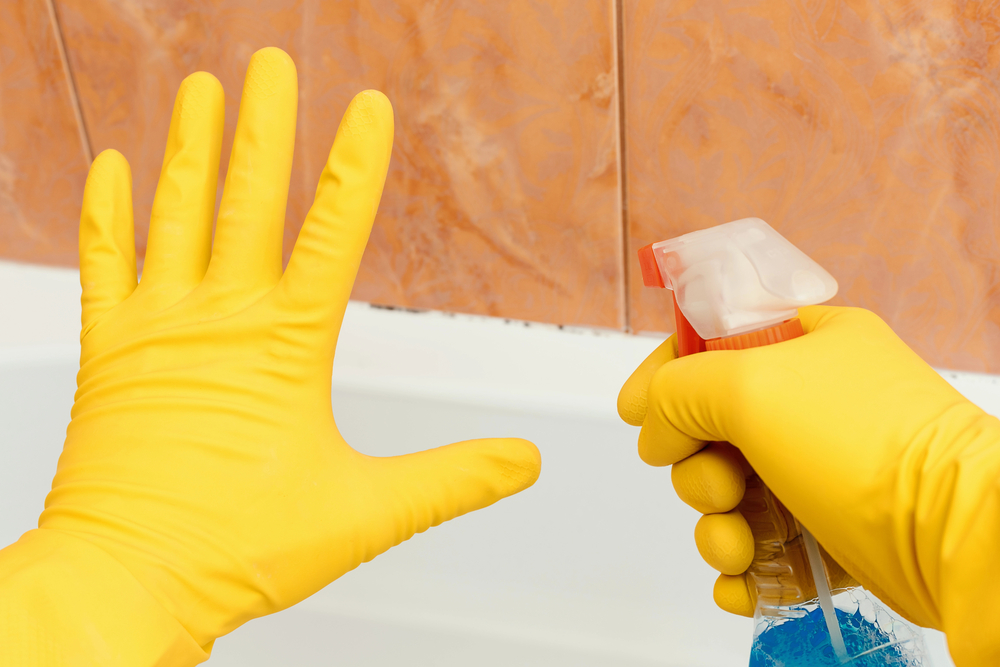
Once you notice growth, it helps to respond early and stay practical. Surface-level mildew and minor spotting can often be cleaned successfully, especially on non-porous areas like glass and some metal or finished surfaces. The key is cleaning the affected area thoroughly and then correcting the moisture issue that allowed it to develop in the first place.
This is also where homeowners can accidentally waste time. If the problem keeps coming back, the real issue usually is not that the area needs stronger cleaner—it is that the bathroom is staying wet too long, or a material like grout, caulk, or drywall is holding moisture.
Step 1: Figure Out How Serious It Is
Before cleaning, take a close look at how large the affected area is and what type of surface is involved.
Signs the Problem May Be Minor
Small, localized spots on glass, metal trim, tracks, or recently stained caulk with no spread beyond the immediate area.
What To Do Next
A one-time spot is different from a pattern that returns every week.
Step 2: Clean the Affected Surface Carefully
Choose a cleaner that is appropriate for the material and avoid turning the process into an aggressive scrub session that damages finishes or seals.
How To Clean It
If you own glass doors, safe product selection matters. Following proper care and cleaning guidelines can help protect the finish while keeping the surface clean.
Step 3: Fix the Moisture Pattern
Even successful cleaning will not last if the same area stays wet day after day.
What To Check
The long-term goal is not just removing the visible spot. It is changing the conditions that allowed it to grow.
When Is It More Than a DIY Cleaning Job?
Some mold problems move beyond routine bathroom maintenance. If the issue is widespread, keeps returning, or appears to be behind walls or under surfaces, it may point to a deeper moisture issue that regular cleaning will not solve.
That is the point where it makes sense to stop treating it like a surface problem and start looking at the structure, ventilation, or hidden water exposure behind the visible area.
In those situations, a licensed mold remediation specialist is the right type of professional to call. That keeps the advice accurate and helps homeowners respond appropriately when the issue goes beyond shower upkeep.
How Can Shower Door Choices Make Maintenance Easier?
A shower door cannot solve a mold problem by itself, but the right design can make regular cleaning and moisture control much more manageable. That matters because bathrooms that are easier to maintain tend to stay cleaner over time.
Well-installed shower doors can help reduce water escape, limit places where grime collects, and make daily wipe-downs more effective. For homeowners comparing options, that is part of the long-term value—not just how the shower looks on day one, but how easy it is to keep clean months and years later.
For homeowners considering an upgrade, different glass options can affect both the overall look of the bathroom and how easy the shower is to maintain over time.
Make Your Shower Easier To Keep Clean
Explore shower door options designed for everyday use, easier upkeep, and long-term performance.
For informational purposes only.